In mathematics, an inflection point is not a peak and not a trough. It is the moment where the direction of the bend changes where something moving one way begins moving another. The nature of the change, changes.For a health system, this means something precise. Not a rapid change or a crisis. The moment when the old logic of a system stops working, and the conditions exist to build something genuinely different.
Africa’s health systems are at that moment. These three forces explain why.
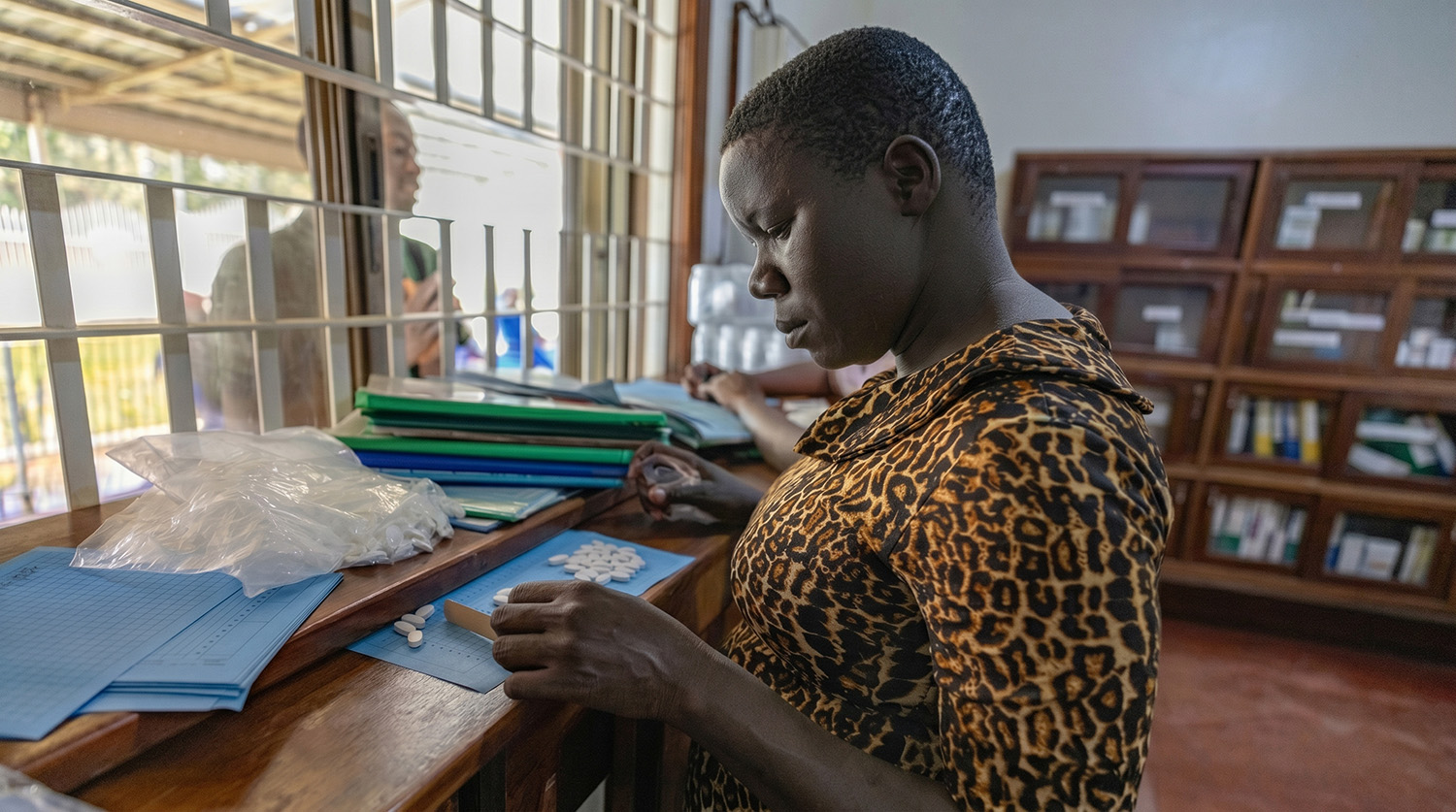
In January 2025, the US froze all foreign aid including PEPFAR, a program credited with saving 26 million lives. The collapse was immediate. Over 8,000 healthcare workers lost their jobs, clinics closed, and HIV testing, treatment, and prevention services were significantly reduced. Across Africa, 2.5 million PrEP users lost access. In seven countries, between 75 and 100 percent of key population services disappeared.
But the deeper revelation was structural. In 2025, only 2 percent of South Africa’s HIV response was privately funded in one of the continent’s most industrialized economies. A health financing architecture built on external generosity was exposed, almost overnight, as unsustainable. Domestic ownership of health systems stopped being a long-term goal and became an urgent present reality.
At the same time, AI in African health has crossed a real threshold.
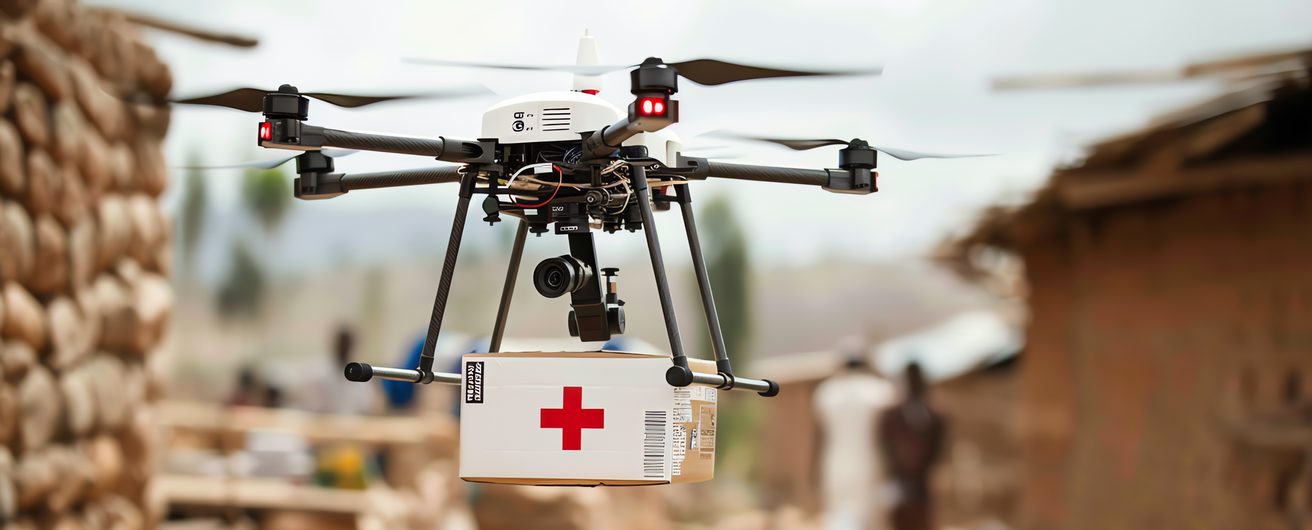
Rwanda trained over 60,000 community health workers to use AI tools for real-time diagnostic support and now manages 50 percent of malaria cases through those workers. AI reads chest X-rays for tuberculosis with 95 percent accuracy in facilities with no radiologists. Maternal deaths fell 51 percent in areas served by Zipline’s AI-coordinated drone delivery network. In January 2026, the Gates Foundation and OpenAI committed $50 million to expand AI into 1,000 primary clinics across Rwanda, Kenya, South Africa, and Nigeria.
In rural Zimbabwe, AI tools detect pre-cancerous lesions with 96.7 percent accuracy and cut anemia detection from three days to five minutes.
The question is no longer whether AI belongs in African health. It is whether the systems exist to absorb it.
That question is where the inflection point becomes most demanding.
Despite a surge in digital health tools over the past decade, few have been successfully integrated into health systems, and even fewer have achieved widespread sustained implementation.A 2025 analysis of African digital health plans found that more than half did not address the actual challenges facing their systems, with recurring gaps in workforce, legal frameworks, financing, and interoperability.
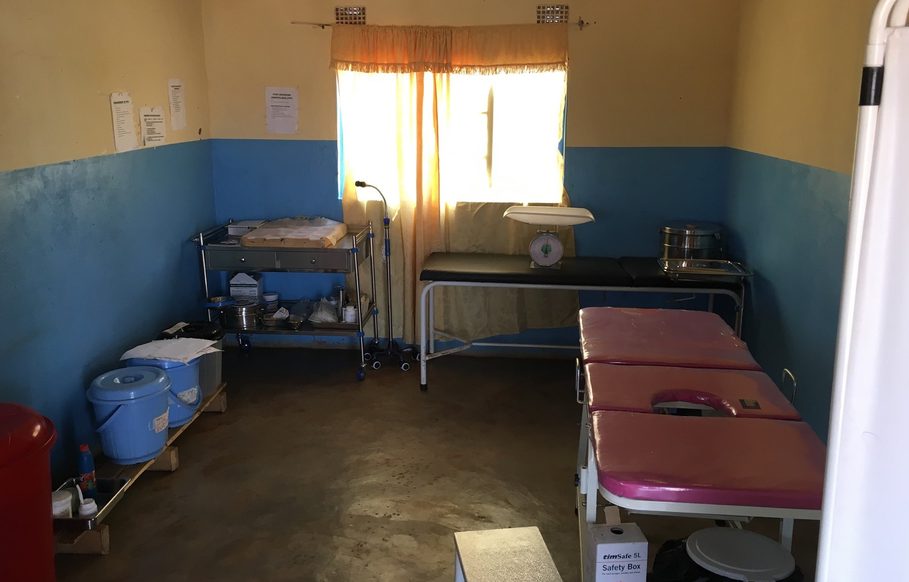
As of 2025, only 15 percent of rural clinics use electronic health records. Power fails 40 percent of rural clinics daily. Data does not match across borders or even districts.
The tools are ready. The infrastructure to integrate them, in most places, is not. This is the gap that defines whether the inflection bends toward genuine transformation or back toward fragmentation.
That is what makes an inflection point different from progress. It is not a guarantee. It is a moment of genuine openness where the choices made now will shape the curve for decades.
Africa’s health leaders, innovators, investors, policymakers, and communities are the ones making those choices. Which is precisely why the Africa HealthTech Summit matters right now.
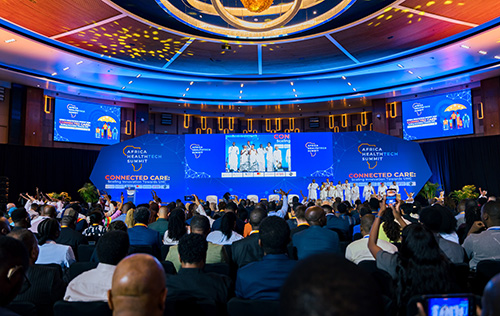
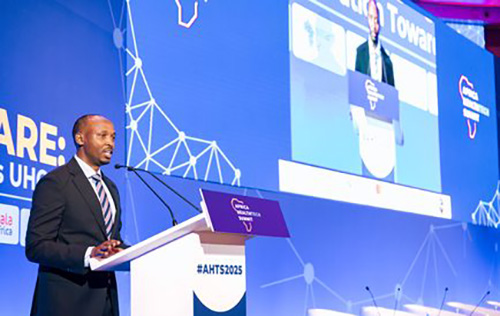
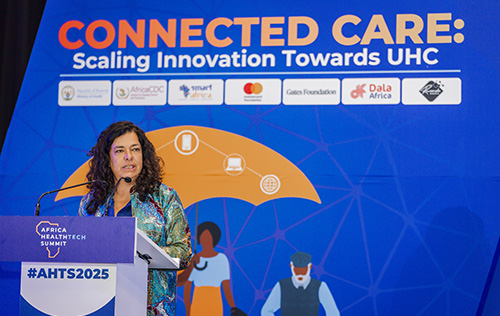
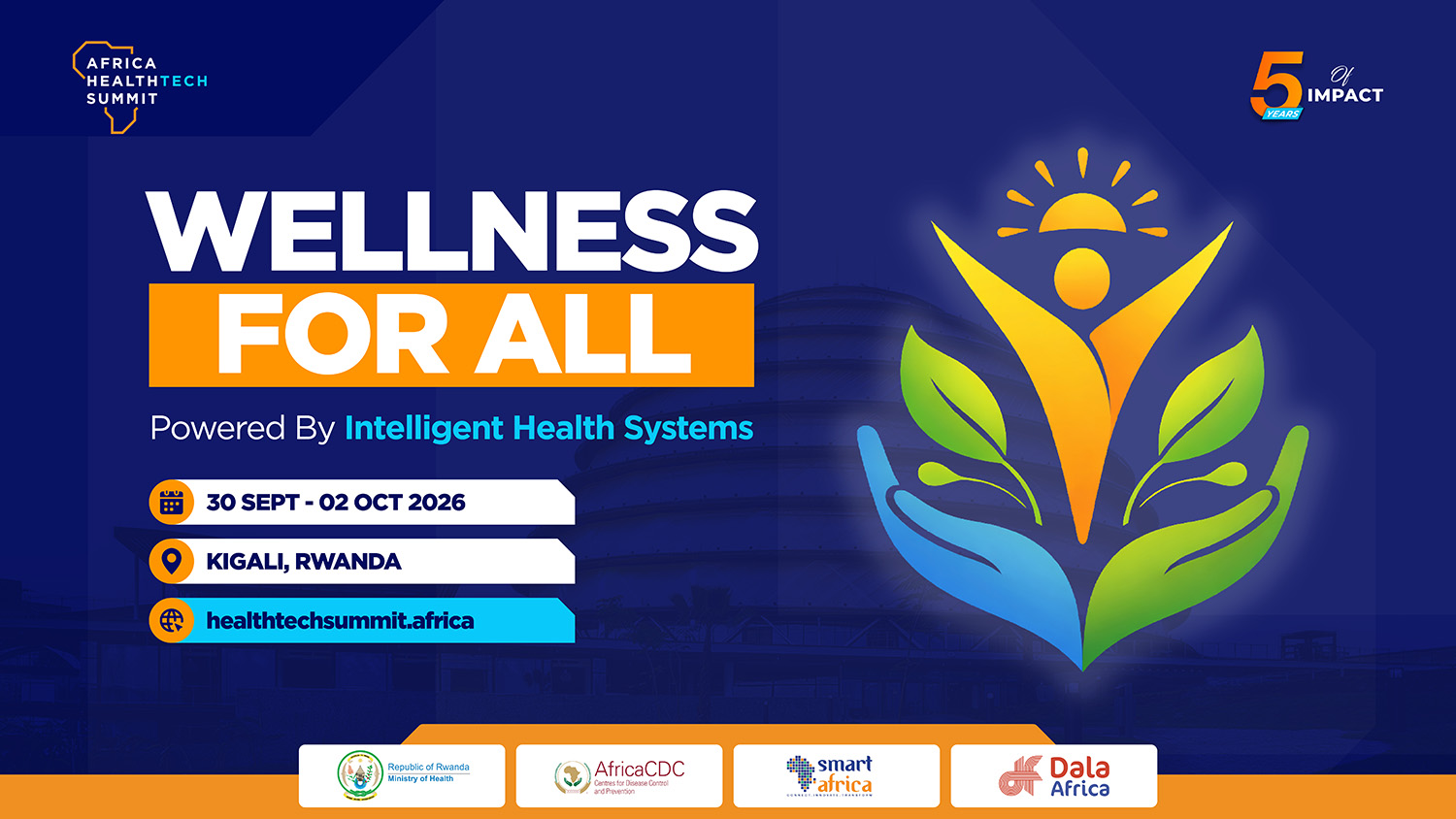
Now in its 5th year, AHTS 2026 convenes in Kigali, Rwanda September 30 to October 2 at the heart of this moment. Rwanda is not a coincidental host. It is a country that has navigated its own inflection point, and today stands as the continent’s most advanced laboratory for AI-integrated, community-driven health delivery. There is no better place to have this conversation.
AHTS 2026 is structured so that every actor in Africa’s health ecosystem has a concrete way to engage not just to attend, but to shape what happens in the room.
Attend
as a delegate and spend three days inside the conversations, debates, and decisions that are moving African health forward. Connect with ministers, innovators, clinicians, and investors from across the continent and beyond.
Host an Executive Round Table
90-minute, curated, invitation-only leadership dialogues designed for senior decision-makers to work through the hardest questions in a room where candor is the norm. If your organization wants to convene the right leaders around a specific challenge, this is the format.
Anchor a Plenary Session
75-minute high-level conversations that set the tone for the summit and reach the full delegate audience. Plenaries are where the big questions get framed and the bold commitments get made
Take the Innovator Spotlight
TED-style format for founders, researchers, and builders to share breakthrough ideas and bold solutions with the full summit audience. If you have a story worth telling, this is the stage for it.
Lead A Breakout Session.
50 to 60 minutes of focused thematic discussion and showcase. The right format for organizations ready to present work, demonstrate solutions, or drive a targeted conversation with a specialist audience.
Run A Workshop
75 minutes of interactive, hands-on exchange. Workshops are where ideas get pressure-tested, tools get demonstrated, and participants leave with something practical in hand.
Exhibit
your product, platform, or solution and put it directly in front of the policymakers, procurement leads, and investors who can take it to scale.
If you are working on any part of Africa’s health future as a policymaker,health services provider, innovator, investor, or advocate this is where you need to be.
Warm regards,
Jean Philbert Nsengimana
Chairman and Chief Curator, AHTS